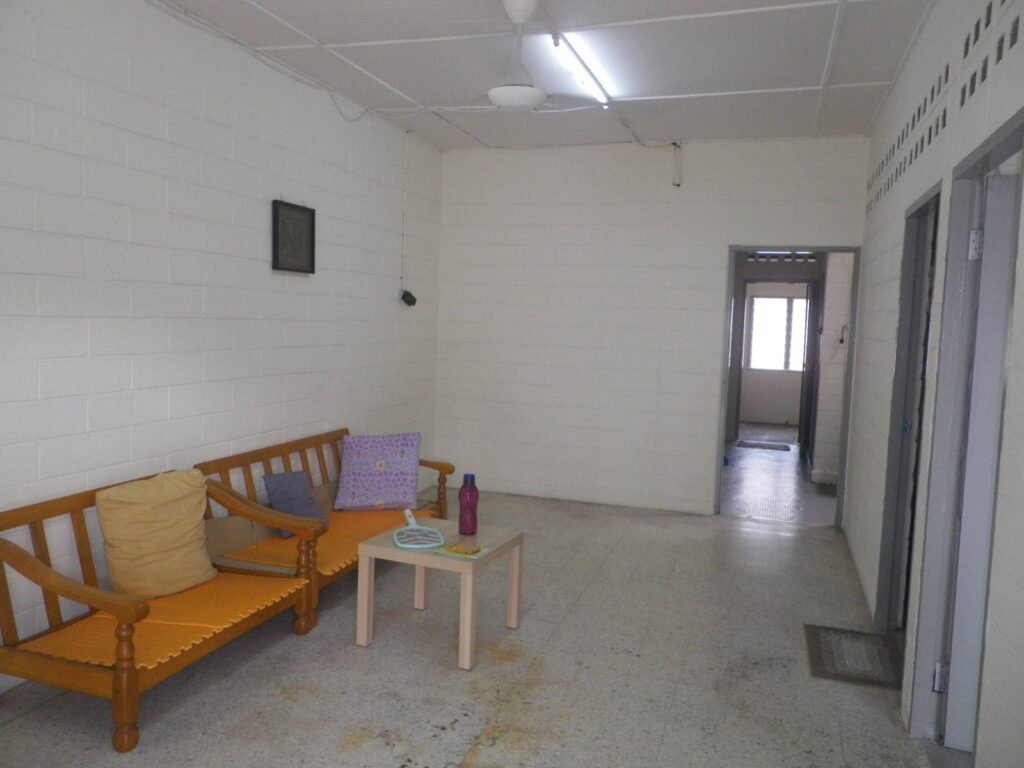
Making an offer without thorough evaluation is one of the most expensive mistakes a buyer can make. A property that looks attractive in listing photos may have serious structural defects, legal complications, or location disadvantages that only reveal themselves on closer inspection. This guide gives you a systematic evaluation framework used by professional investors.
Step 1: Location Due Diligence
Location is the single most important criterion — and proper assessment goes far beyond “nice neighbourhood.” Evaluate systematically:
- Employment catchment: What major employers are within 30 minutes? Strong employment diversity reduces vacancy risk if any single industry declines.
- Transport connectivity: How far is the nearest MRT or LRT station? Drive the commute yourself at peak hours — Waze shows typical times to major business districts.
- School quality: Check the nearest schools’ ratings and reputations. Properties in good school catchment areas command premiums and attract family renters.
- Amenity density: Count grocery stores, clinics, banks, F&B, and recreational facilities within 1 km. A location requiring a 15-minute drive for basic necessities is less desirable and commands lower rents.
- Future development: Check the local authority’s Development Order register for planned developments near the property. A highway or industrial facility planned nearby can significantly affect value — positively or negatively.
Step 2: Physical Property Inspection
Never rely on listing photos alone. Conduct at least two visits — once during the day and once in the evening to assess noise, traffic, and neighbourhood character differences. Systematically check:
- Roof and ceiling: Water stains, cracks, or bulging indicate roof leaks or structural movement — expensive to fix in Malaysia’s heavy rainfall climate.
- Walls and floors: Hair cracks are normal; wide cracks above 2mm in structural walls warrant a professional structural survey. Uneven floors may indicate foundation movement.
- Plumbing: Turn on all taps, check water pressure, inspect under sinks for dampness. Poor water pressure often cannot be fixed without major plumbing work.
- Electrical system: Verify adequate power points and recent wiring condition. Older properties with inadequate circuitry for modern appliances may require rewiring costing RM5,000–RM15,000.
- Common areas (strata): A poorly maintained lobby, gym, or pool signals either bad management or under-funded sinking fund — both mean future special assessments you must contribute to as owner.
Step 3: Legal Due Diligence
- Title type: Individual or strata title is preferred. Master title adds complexity and affects financing for future buyers.
- Encumbrances: The Land Office search (Form 16D) reveals all caveats, charges, and restrictions. These must be cleared before transfer.
- Outstanding quit rent and assessment: Unpaid property taxes transfer to the buyer if not cleared at completion. Insist these are settled before or at point of sale.
- Strata MC financials: Request the Management Corporation’s financial statements and AGM minutes. A strained sinking fund means potential special levies after you buy.
Step 4: Financial Analysis
Before any offer, calculate whether the property makes financial sense. As an owner-occupier: monthly mortgage instalment plus fees should not exceed 40% of gross household income. As an investor: gross rental yield (annual rent divided by purchase price) should not be below 4.5–5% to cover financing costs and generate positive cashflow after expenses. Compare asking price against at least 5 recent JPPH transaction data points in the same development or street — this is your strongest negotiating tool.
Frequently Asked Questions
Q: Should I hire a professional property inspector in Malaysia?
A: Yes, particularly for older subsale properties above RM500,000. Registered building inspectors charge RM500–RM1,500 and can identify structural and mechanical issues saving tens of thousands in post-purchase repairs.
Q: What is the most common hidden defect in Malaysian properties?
A: Water leakage — from roofs, external walls, wet areas, and plumbing. Always check for moisture during or after rainy season when possible. Leaks in multi-storey buildings are particularly complex and expensive to diagnose and fix.
Q: How long should I spend evaluating before making an offer?
A: As long as you need. This is a RM400,000 to RM1 million+ decision. Do not let agents rush you. A few additional days of due diligence is always worth it — a rushed offer on a problematic property is not.
Connect with knowledgeable property agents through 168property.my who can guide your evaluation process and help identify red flags before you commit to any property purchase in Malaysia.